Hannah Trayford – 27th March 2026
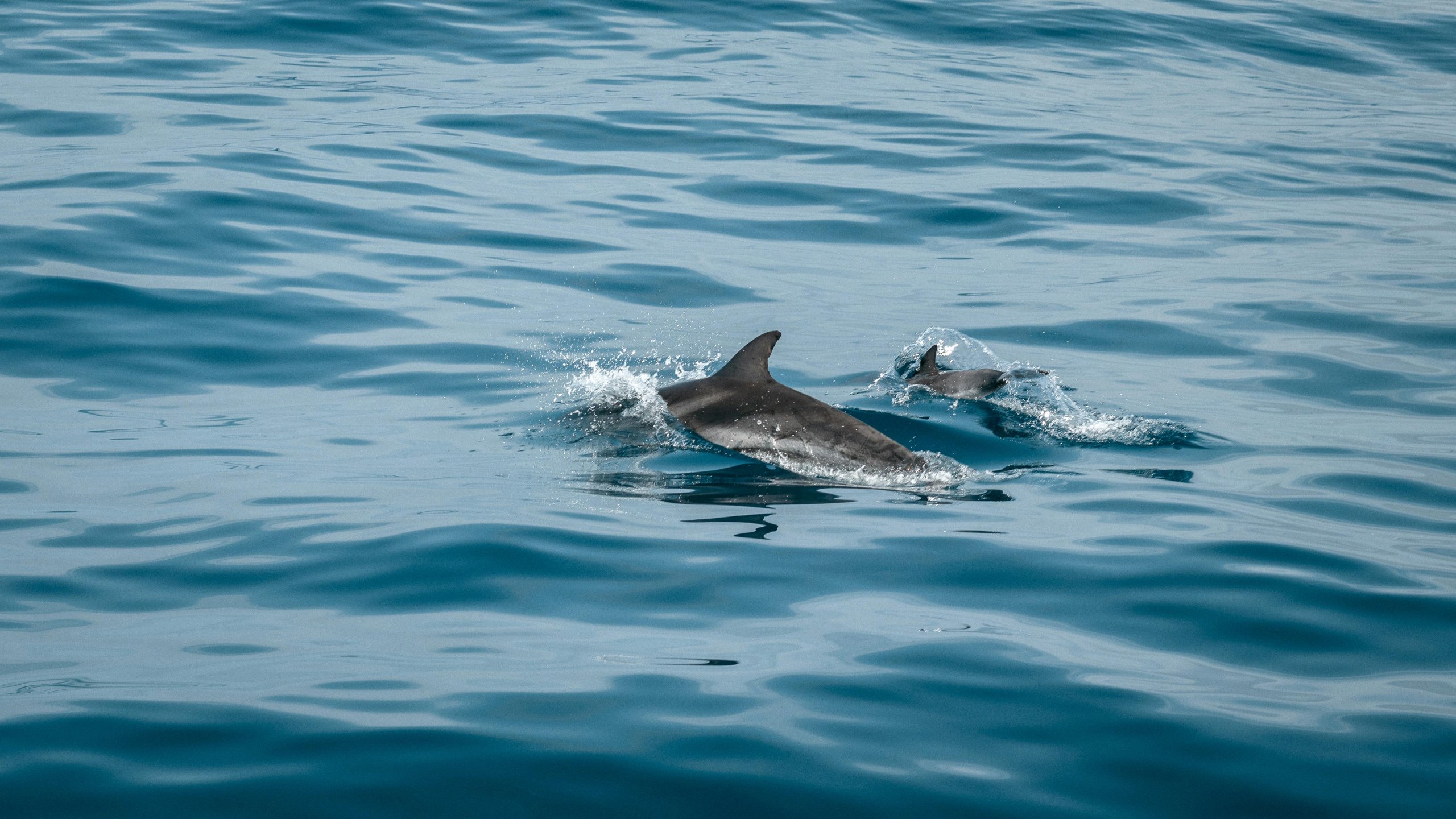
Across England, Scotland, Wales, and Northern Ireland, thousands of people are quietly building substantial evidence bases for whales, dolphins, porpoises, and seals.
Their work spans long-term monitoring programmes, academic research, conservation initiatives, and citizen science activity, much of it sustained over decades.
But despite this collective effort, there has never been a comprehensive record of these activities, or of the datasets and knowledge they’ve built.
Over the past year, we have been working to change that.
Understanding the Bigger Picture
Marine mammals occupy a pivotal role in marine ecosystems. They are also sentinels of ocean health, reflecting pressures from climate change, fisheries, offshore development, shipping, underwater noise, and pollution.
Across the UK, a large and diverse community of researchers, conservation, and welfare organisations, government bodies, and volunteer networks generates vital knowledge about these species. Citizen science, in particular, plays a central role in national data collection, with many datasets extending back decades.
But the work has evolved organically over time, shaped by local priorities, funding realities, and the persistence of dedicated individuals.
That means the evidence base is rich, but not easy to see or use as a whole.
As part of the set-up phase of the proposed UK Marine Mammal Forum, a collaborative initiative intended to strengthen coordination across the sector, Mindfully Wired has developed the UK’s first nationwide Marine Mammal Research and Conservation Database.
Our aim was simple: to understand what already exists and explore how the Forum can support, connect, and amplify the evidence needed for effective action.
Mapping What Already Exists
With seed funding from The Fishmongers’ Company’s Fisheries Charitable Trust, we mapped marine mammal research, monitoring, and conservation activity across all four nations.
The results confirm that the UK has a substantial and diverse marine mammal evidence base, supported by universities, charities, statutory agencies, industry partners, and citizen scientists.
But they also reveal some important patterns.
Some regions and species are well studied while others are overlooked. Offshore areas receive less attention than coastal waters. Monitoring methods vary, making comparisons challenging. Long-term ecological processes are often studied through short-term funding cycles. Researchers find themselves trying to draw conclusions about slow, complex environmental changes from datasets that must be maintained project-by-project.
This isn’t news for those working in this space – but this is the first time we’ve been able to assess these patterns all at once, and in relation to one another.
From Fragmentation to Perspective
Up close, the UK’s marine mammal research can look fragmented. But when viewed as a system, something else becomes visible: a network of knowledge and expertise that has developed over decades.
Environmental efforts rarely fail for lack of commitment. More often, they struggle because the insight, data, and experience needed to address them are spread across many places and not always fully joined up.
When a system is hard to see, coordination depends heavily on informal networks and personal relationships. Those networks are valuable but they are not always enough to support nationwide strategic alignment or reduce duplication of effort.
By mapping the landscape as it currently stands, we now have a shared reference point. The database doesn’t replace existing expertise; instead, it makes that expertise visible, connectable, and easier to build upon.
It also helps identify where coordination could strengthen impact, where resources could be better targeted, and where gaps in evidence remain.
What Comes Next
Alongside the database, we have published:
- A full analytical report examining patterns, strengths, and gaps in current monitoring and research
- A policy note outlining implications for funders and decision-makers
Together, these provide a starting point for more coordinated thinking about marine mammal conservation and coexistence in UK waters, particularly in the context of increasing national focus on cumulative pressures and the need for joined-up evidence.
The UK Marine Mammal Forum is not yet formally established, and decisions about governance and long-term funding sit beyond this initial phase. We are actively working to secure support for a three-year operational period.
Mapping the system is not the end of the work, but it is a meaningful first step towards seeing the whole, and towards enabling the kind of collaboration that complex environmental challenges demand.
If you are working in marine mammal research, monitoring, or conservation in the UK, we would be glad to connect and continue the conversation.
For any enquiries relating to the UK Marine Mammal Forum, please contact Dr Hannah Trayford: hannah.trayford@mindfullywired.org